Fiberglass flexes and returns; aluminium stays straight but kinks under hard gusts. Sections, ferrules, noise, salt air and spare-part economics for buyers.
Water base flags live or die by the fill: 20 litres of water means 20 kg of anchor. Fill maths, surface matches, freeze rules and honest limits.
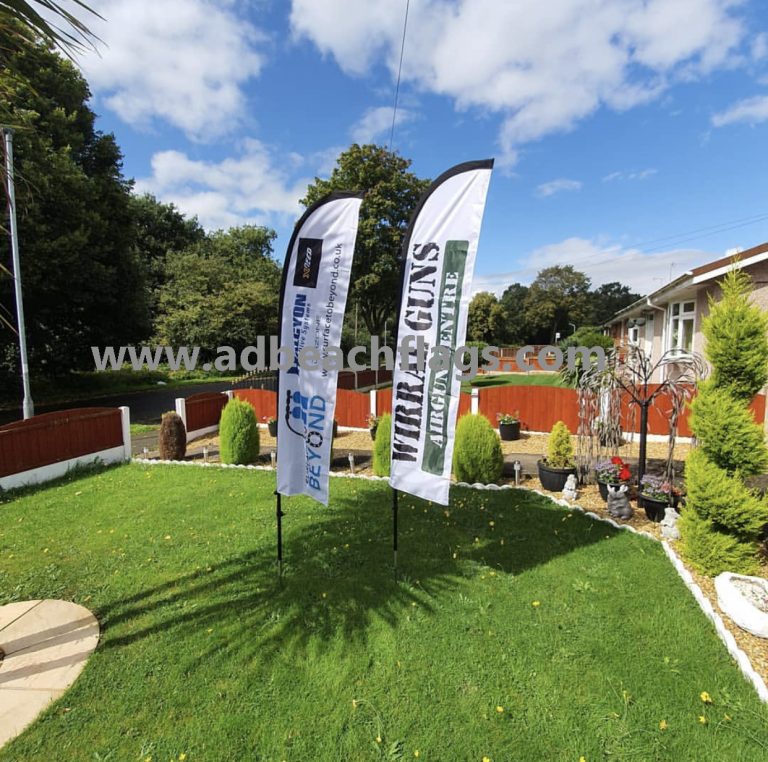
Open house signage works as a system: directional signs route the driver, one reusable brand flag marks the property, and a per-listing compliance check keeps it all standing.
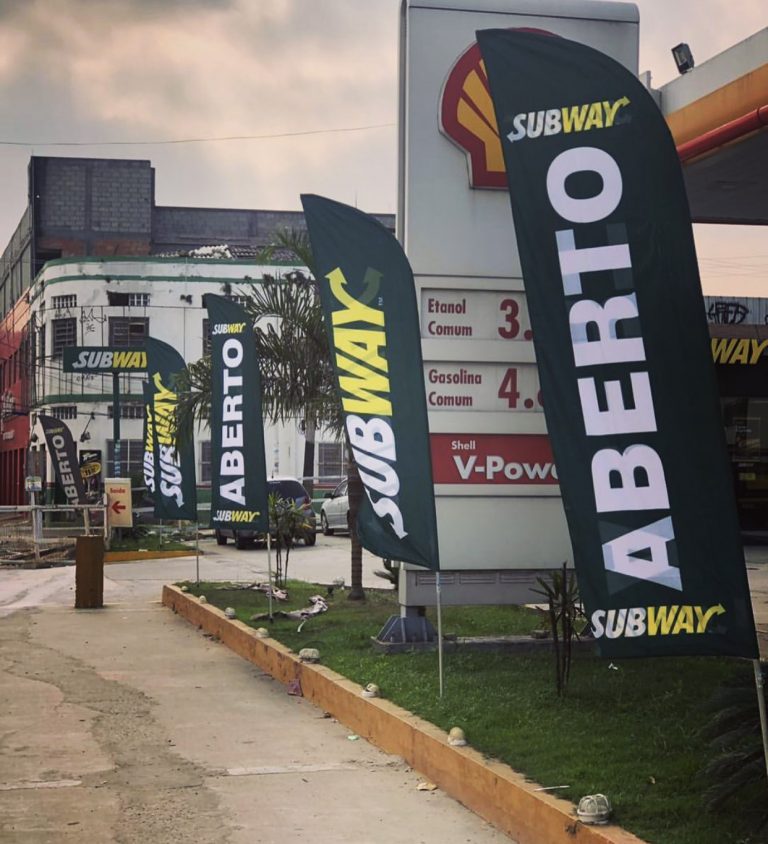
Food truck signage has to travel. No-drill flag mounting, stop-site placement logic and the flag plus A-frame pairing that keeps a truck readable at every pitch.

Advertising flag rules are placement rules. Learn the right-of-way logic, the caps that bite, the event-site exception and the checklist to run before you order a flag kit.
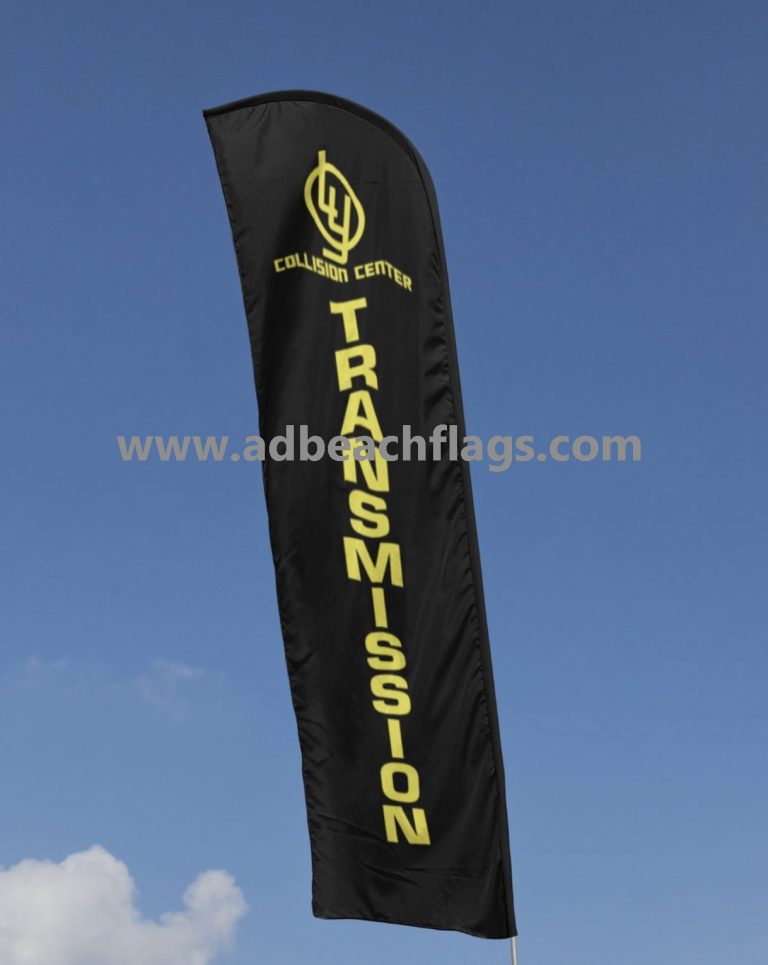
Swooper flags keep the message readable when the air is still. See how the windless cut works, where the format wins, and how to spec panel, pole, print and base.

School event flags for sports day, field day and open day: build one budget kit of hardware, rotate the skins, and keep the whole year of events covered.

A printable flag kit checklist in five passes: confirm the order, pass the artwork check, inspect on arrival, set up safely, then keep the fleet ready to reorder.

Seven flag buying mistakes distributors still make, from single-sided skins facing two-way traffic to quotes judged on line price. Each with the fix and the numbers.
The seven-step flag winter storage routine: dry until bone dry, drain the water bases, grade every kit, then order skins 8 to 12 weeks before spring.